
Aisha’s two-year work anniversary called for a celebration, and she knew exactly what to order. In just a few taps on an ONDC Network-powered app, she ordered crispy samosas and the signature adrak chai from her favourite local café — a perfect way to mark the occasion with her team!
With a ₹200 discount coupon applied, she placed the order. “Arriving in just 35 minutes” the app promised, just in time for their 5 PM team meeting. At 4:57 PM, her phone buzzed. The delivery partner was already at the reception to hand over the package.
Behind the scenes, Aisha’s order had journeyed across platforms. Ordered via Platform A, from a restaurant on Platform B and delivered by a rider on Platform C. The ONDC Network orchestrated this cross-platform symphony without a single hiccup, ensuring the chai remained piping hot for that very first sip.
To end users like Aisha, who may be unfamiliar with the mechanics of an unbundled network, this experience feels effortless. It delivers the convenience they expect from any modern digital marketplace.
However, this seamless experience is no coincidence. It reflects the ongoing optimizations within the ONDC Network. While food and beverage (F&B) deliveries now arrive within 35-40 minutes on average, this wasn’t always the norm. Figure 1 charts the steady reduction in delivery times as the network continues to drive efficiency.

Figure 1: Promised vs Actual Delivery Time for F&B orders on the ONDC Network
The Anatomy of a 35-Minute Delivery
This is a significant milestone for the network, as 75% of F&B orders are now fulfilled using on-network logistics. This means that restaurants and seller applications no longer have to coordinate rider availability. Instead, the logistics partners (LSP) automatically take over. Figure 2 below illustrates how different entities communicate to complete an order.
Figure 2: Journey of an order on the ONDC Network
Figure 3 breaks down the time taken to deliver a food item on the network when using on-network logistics. It barely takes under 5 minutes for the logistics order to get confirmed and a rider to be assigned. The rider then takes approximately 8 minutes to reach the restaurant, waits for 7-8 minutes for order preparation, and finally, spends 15 minutes completing the last-mile delivery.

Figure 3: Speed of order fulfillment on the ONDC Network
The ONDC Network has matched market standards in delivery speed, but timely fulfillment is just as critical for building trust among customers like Aisha. At least eight out of ten meals ordered on the network today are being delivered on time.
Figure 4: Share of orders delivered in promised time on ONDC Network
Decoding Delivery Delays
Figure 5: Share of orders delivered by distance travelled
Delays are more likely when the restaurant is over 6 km away from the customer. To pinpoint the cause of delays, Figure 6 breaks down the journey stages. The data reveals that delay in orders that is primarily due to:
- Delayed Logistics Confirmation:
In an unbundled ecosystem, if a rider cancels the order, the SNP can quickly reconnect with multiple LSPs to find the next available rider. While this may create a short gap between retail and logistics confirmation, it ensures a rider is successfully assigned. - Prolonged Last-Mile Delivery:
Extended delivery time due to greater motorable distances. Orders delayed by more than 30 minutes typically have routes 2.5 to 4 km longer than those delivered on time.
Figure 6: Stepwise time breakdown: On time vs. delayed orders
Another possible factor that can delay deliveries is the extended wait time for riders at restaurants. This issue is particularly common with Quick Service Restaurants (QSRs), which are often located in malls or have high demand during rush hours, which prolongs food preparation times. To improve efficiency, Seller Apps must analyse these wait times and collaborate with restaurants to ensure timely pickups.
The way the promised time is communicated in the Network also presents a challenge. Currently, the Seller App provides a fixed promised time to both the Buyer App and the LSP, without adjusting for factors like distance, traffic, or actual meal preparation time.
A potential solution is ensuring that LSPs receive accurate Ready to Ship (RTS) times before committing to a delivery time. However, today, Seller Apps provide RTS at the time of logistics order creation. This is done to guarantee that a rider is immediately assigned, reducing the risk of availability issues.
For the system to overcome these gaps, two key improvements are needed:
1. Trust between LSPs and Seller Apps: LSPs must assure Seller Apps that once a rider is assigned, they will not be later canceled.
2. More accurate RTS inputs: Seller Apps must improve RTS estimates so that LSPs can make better delivery time calculations.
These refinements would help ensure more reliable deliveries and reduce instances of late orders.
Using a sample of Network Observability data, we identified key variables to predict promised delivery times and understand the factors that influence them the most.
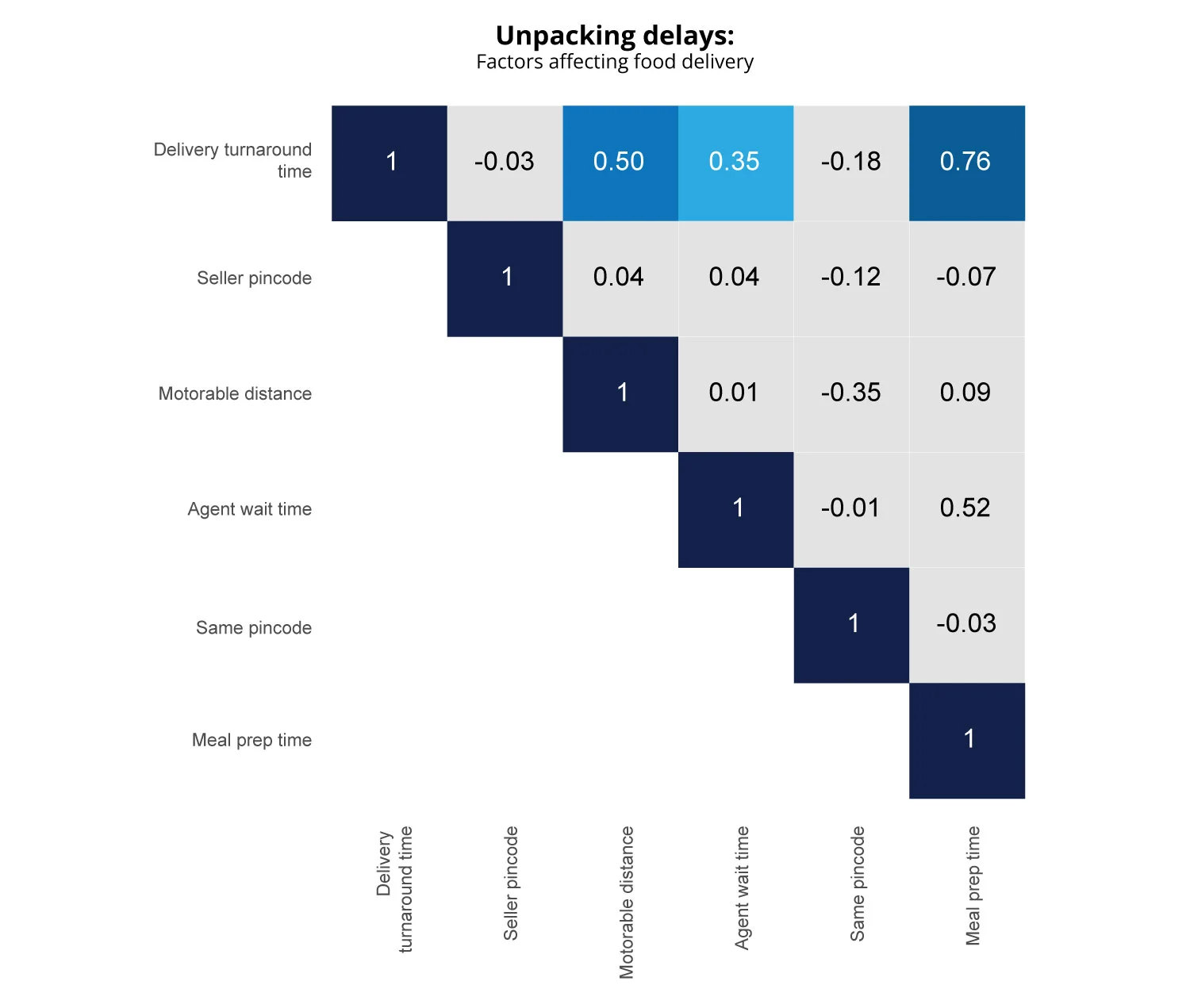
Figure 7: Factors affecting F&B delivery
Figure 7 shows how different factors relate to the overall delivery time. We found that three key factors play a significant role:
1. Distance between the restaurant and the customer – Longer last mile deliveries naturally lead to longer delivery times.
2. Agent wait time at the restaurant – If a delivery partner has to wait too long at the restaurant, it can delay the entire process.
3. Meal preparation time – The time a restaurant takes to prepare an order before it is ready for pickup can impact delivery timelines, especially if preparation time is high.
However, we noticed that agent wait time and meal preparation time are closely linked. If the food isn’t ready, the agent has to wait. To avoid multicollinearity (double-counting the effect), we focused only on meal preparation time in the analysis.
Using these 2 variables,a model was developed to predict the promised time. Figure 8 below shows the difference between actual and predicted delivery time for a given time period and the results looked impressive!
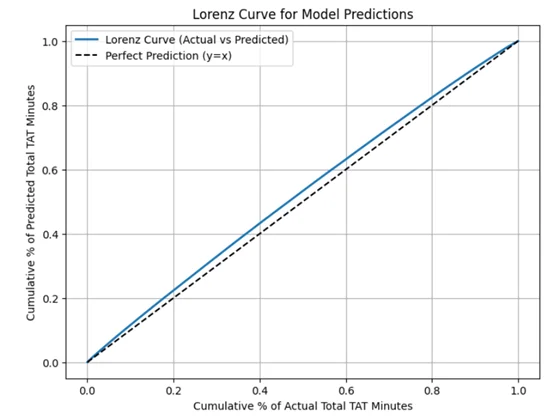
Figure 8: Lorenz curve illustrating the model’s prediction performance
With every optimization, the Network strengthens its delivery ecosystem through better coordination, smarter time estimates, and trust-driven efficiency. Accurate data sharing between NPs on preparation times, rider allocation, and delivery distances among network participants will boost transparency and minimize delays.
Aisha’s simple celebration of perfectly timed samosas represents exactly what the ONDC Network strives to deliver—not just food, but moments that arrive right on time.